
Beyond Equality: Protecting Women’s Rights and Expanding Opportunity
12/4/2025
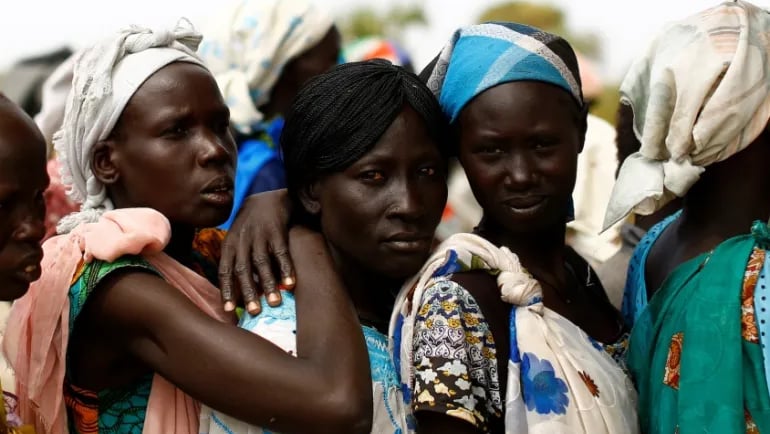
Gender rights and the empowerment of women and girls sit at the intersection of every other HRA mandate. Conflict disproportionately harms women. Justice systems consistently fail female victims. Environmental degradation falls most heavily on women in subsistence-dependent communities. The HRA addresses gender rights both as a standalone thematic mandate and as a cross-cutting lens through which all other advocacy is conducted.
What the HRA Addresses
Gender-based violence in institutional settings, including sports organisations, workplaces, detention
facilities, and domestic environments, where victims face systemic barriers to reporting,
investigation, and remedy.
Trafficking and sexual exploitation of women and girls, with particular focus on cases where
organised criminal networks operate across international borders and where state actors bear
responsibility for dismantling those networks.
Structural inequality in professional environments, including pay disparity, inadequate facilities, and
the marginalisation of women's participation in sport, media, law, and public life.
Legislative and institutional prohibitions that have historically barred women from full participation
in public and professional life, and the structural inequalities those prohibitions continue to produce.
The harassment, intimidation, and prosecution of women who speak out, including journalists,
activists, human rights defenders, and public figures who face targeted attacks for exercising their
right to expression.
Women's participation in governance and decision-making, and the removal of structural barriers to
elected representation and institutional leadership.
ACTIVE AND COMPLETED CAMPAIGNS
Brazilian Football — Women and Children at Risk
The HRA published a three-page press release and full research report on persistent risks for
women and children in Brazilian football, calling on FIFA and the CBF to establish mandatory
safeguarding standards ahead of the 2027 Women's World Cup. The report documented the
harassment of journalist Renata Mendonca, the near four-decade ban on women's football, and the
structural underfunding of women's programmes as evidence of systemic gender discrimination.
Fijian Women and Children — Sex Trafficking
The HRA issued a press release calling on China to dismantle Chinese-affiliated criminal networks
exploiting Fijian women and children in sex trafficking operations, grounded in the US State
Department's 2025 Trafficking in Persons Report and a 2023 national prevalence study finding that
20 per cent of respondents had experienced or knew someone who had experienced trafficking
indicators.
IOC Female Category Eligibility Policy
The HRA engaged with the IOC's female category eligibility framework, examining the human rights
implications of eligibility restrictions for women athletes and the standard of independent evidence
required to justify such restrictions.
Kokila Annamalai — Women Defenders
The HRA's advocacy for Kokila Annamalai addressed the specific intersection of gender and the
prosecution of human rights defenders, noting the particular vulnerability of women activists to
institutional retaliation for their advocacy.