
The Marine Conservation Alliance is a WeCare Foundation initiative dedicated to protecting marine ecosystems, strengthening coastal resilience, and supporting communities affected by ocean degradation and climate change. The initiative aims to promote healthier oceans, safer coastlines, and more sustainable relationships between people and the marine environment.
Our goal is to ensure that oceans, coastal habitats, and marine life are protected, restored, and managed responsibly for current and future generations. Through the WeCare Foundation, the Marine Conservation Alliance works with communities, institutions, researchers, and partners to advance practical conservation efforts, reduce threats to marine biodiversity, and promote long-term environmental resilience.
We believe that protecting the ocean also means protecting the people and communities who depend on it. The initiative supports coastal communities, promotes responsible stewardship, and helps address challenges such as marine pollution, habitat loss, overfishing, climate-related risks, and declining biodiversity. Its work is focused on prevention, restoration, education, and coordinated action, helping build a future where marine ecosystems can recover and thrive.




3 Million
We advance education, awareness, and practical initiatives that help communities participate in long-term marine conservation.
600,000
We support efforts to protect marine ecosystems, reduce environmental degradation, and promote responsible stewardship of ocean resources.


“
“Across the world, marine ecosystems and coastal communities are facing growing pressure from climate change, pollution, habitat loss, and declining biodiversity. These challenges are not isolated environmental concerns; they affect livelihoods, food security, public health, and the long-term resilience of communities that depend on the ocean... The Marine Conservation Alliance, a WeCare Foundation initiative, was established to support practical and coordinated action in response to these challenges. Its mission is to help protect marine habitats, strengthen coastal resilience, and bring together communities, partners, and institutions around a shared commitment to safeguarding the ocean for future generations.”
Saad Kassis-Mohamed
Geneva, December 2020


Marine Ecosystem Protection
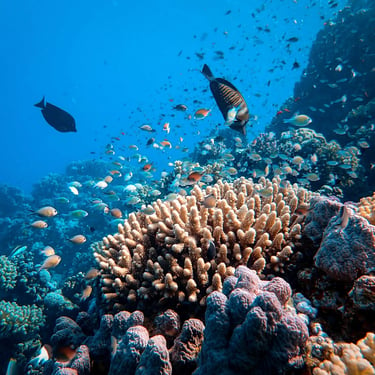
Supporting efforts to protect oceans, coastal waters, coral reefs, mangroves, and vulnerable marine habitats from environmental degradation.
Coastal Resilience
Working to strengthen the ability of coastal communities to respond to climate-related risks, erosion, flooding, and other environmental pressures.
Ocean Pollution Prevention
Promoting action to reduce marine pollution, including plastic waste, unmanaged coastal waste, and other threats to ocean health.
Biodiversity Conservation
Helping safeguard marine species and ecosystems through awareness, advocacy, research support, and responsible conservation practices.
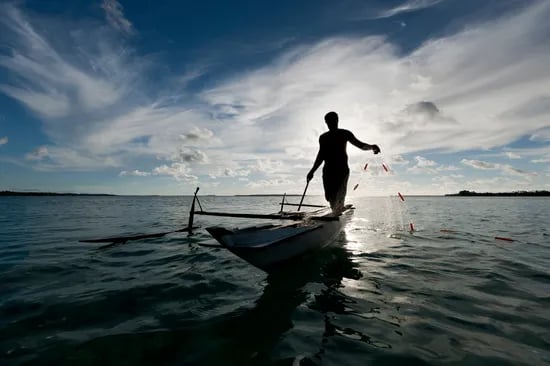
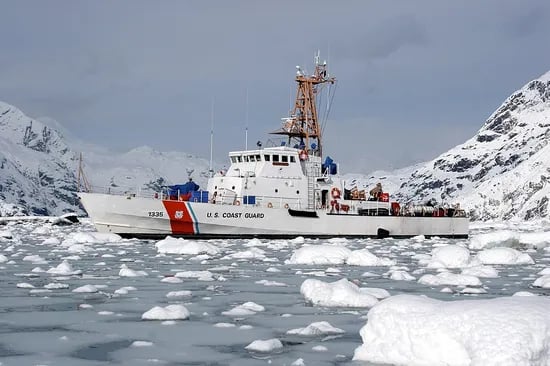
A healthy ocean and a thriving planet, forever and for everyone.
Expertise and Commitment to Marine Conservation
The Marine Conservation Alliance, a WeCare Foundation initiative, is dedicated to protecting marine ecosystems, strengthening coastal resilience, and supporting long-term action for ocean sustainability. The initiative brings together environmental awareness, community engagement, and practical conservation priorities to help address the growing pressures facing oceans and coastal communities.
Protecting Marine Ecosystems
The Marine Conservation Alliance supports efforts to safeguard marine life, coastal habitats, and ocean biodiversity. Its work focuses on reducing environmental harm, encouraging responsible stewardship, and promoting healthier marine environments for future generations. This includes attention to key challenges such as marine pollution, habitat degradation, climate-related risks, and the protection of vulnerable species and ecosystems.
A Forward-Looking Conservation Initiative
The Marine Conservation Alliance is guided by the belief that ocean protection requires early action, long-term thinking, and coordinated solutions. Marine ecosystems are facing complex and interconnected threats, and the initiative seeks to respond through practical, thoughtful, and sustainable approaches. Its work is designed to support prevention, restoration, awareness, and resilience in areas where ocean and community wellbeing are closely connected.
Ambitious and Responsible Goals
The Marine Conservation Alliance aims to contribute to stronger protection of marine environments through advocacy, education, partnerships, and community-based action. The initiative seeks to encourage greater awareness of ocean challenges, support responsible conservation practices, and promote solutions that can be developed and implemented with local, regional, and international partners.
A Practical and Evidence-Informed Approach
The Marine Conservation Alliance is committed to a careful, fact-based, and solution-oriented approach. Its activities are informed by environmental research, community needs, and the practical realities facing coastal areas. The initiative takes a clear position in favour of marine protection while remaining open to dialogue, collaboration, and constructive engagement with different stakeholders.
Partnerships and Global Cooperation
The Marine Conservation Alliance works through collaboration with communities, civil society organisations, researchers, institutions, and aligned partners. By building strong networks and encouraging shared responsibility, the initiative seeks to increase its impact and support wider action for ocean protection. Its approach is cooperative, accessible, and focused on creating practical value through partnerships.
Responsible Stewardship
As a WeCare Foundation initiative, the Marine Conservation Alliance is guided by principles of transparency, responsibility, and public benefit. Support, partnerships, and resources are directed toward activities that advance marine conservation, coastal resilience, education, and environmental awareness.
The Marine Conservation Alliance is politically neutral and non-denominational.
Protecting Whales and Marine Mammals
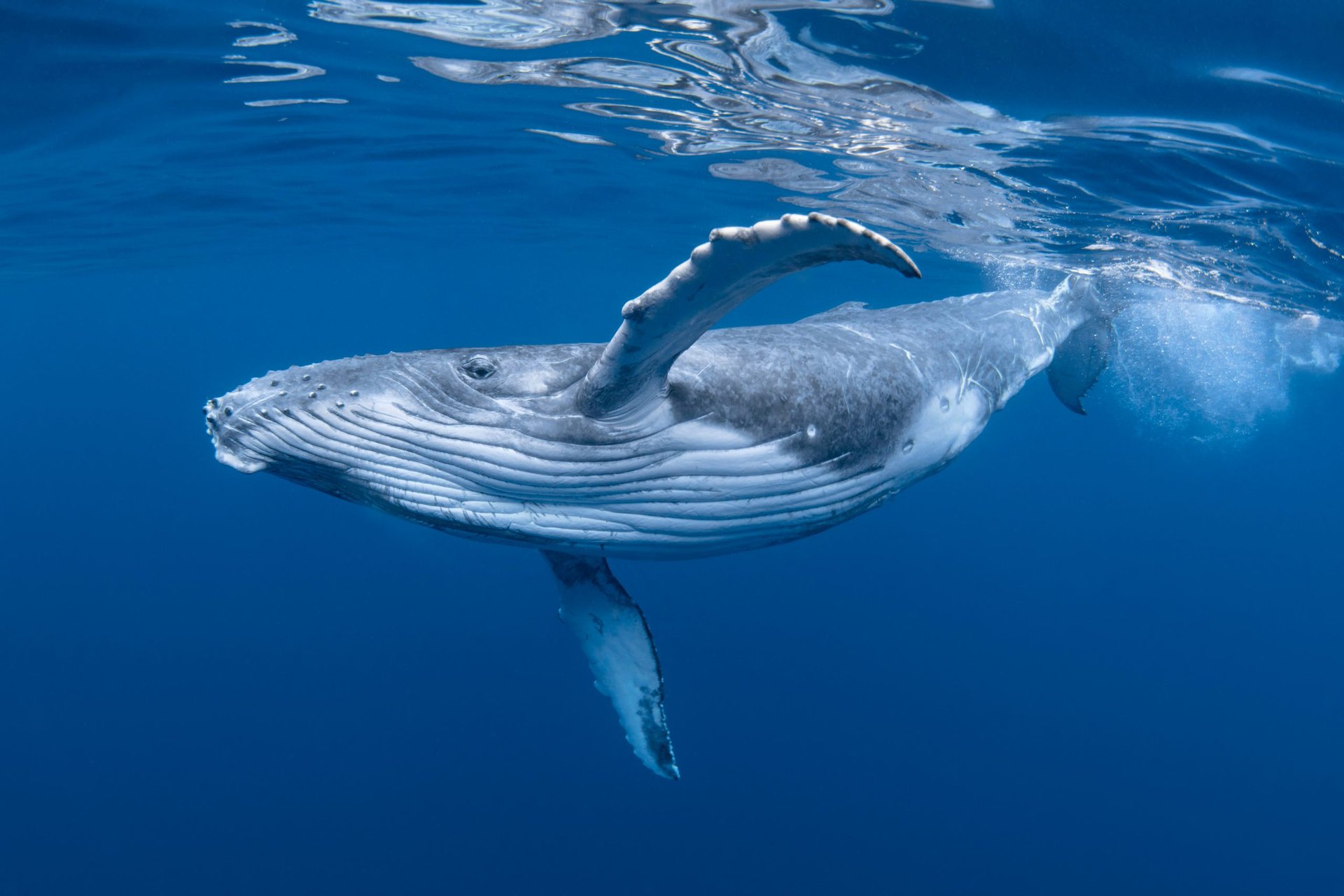
Whales play an essential role in maintaining the balance of marine ecosystems, yet many species continue to face serious threats after centuries of commercial hunting and human exploitation. Although protections exist in many parts of the world, whales remain vulnerable to a range of pressures that affect their survival, movement, and breeding patterns.
Today, the risks facing whales extend beyond hunting. Marine pollution, plastic waste, abandoned fishing gear, underwater noise, and increased shipping activity all create dangerous conditions in whale habitats. Collisions with vessels, entanglement in fishing equipment, and disruption from industrial ocean activity can have severe consequences for individual animals and wider populations.
Climate change is adding further pressure. As oceans warm and marine ecosystems shift, traditional feeding and breeding areas may change, decline, or disappear. These changes can disrupt migration routes, reduce food availability, and make long-term survival more difficult for already vulnerable species.
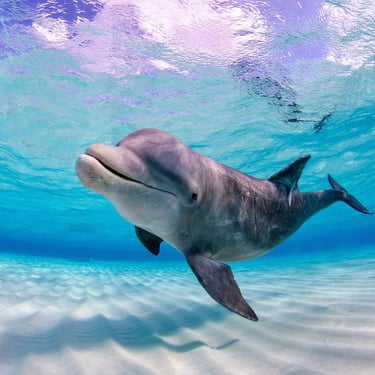
The Marine Conservation Alliance, a WeCare Foundation initiative, believes that protecting whales and other marine mammals is vital to the health of the ocean. Their survival reflects the wider condition of marine ecosystems. Through awareness, advocacy, partnerships, and conservation-focused action, the initiative supports efforts to reduce threats to marine life and promote healthier, safer ocean environments.
Whales and Marine Mammals: Key Threats
Whales are among the most important species in the ocean, yet they continue to face serious threats from human activity. Protecting them is essential not only for biodiversity, but also for the health and balance of marine ecosystems.
Hunting and Exploitation
Commercial whaling has caused lasting damage to many whale populations. Although international restrictions have helped reduce large-scale hunting, whales remain vulnerable in regions where hunting continues or where protections are not fully enforced. The Marine Conservation Alliance supports stronger awareness, responsible policy, and international cooperation to ensure that whale populations are protected and allowed to recover.
Underwater Noise
Whales depend on sound to communicate, navigate, find food, and maintain social bonds. Human-generated underwater noise from shipping, industrial activity, construction, and marine exploration can disrupt these natural behaviours. In severe cases, it can force whales away from important habitats, increase stress, interfere with communication, and threaten their survival.
Vessel Collisions
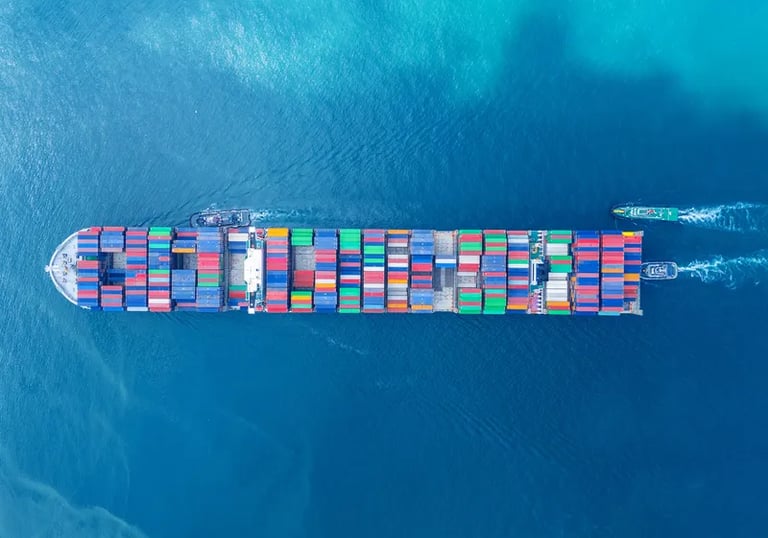
Shipping routes often overlap with whale habitats and migration paths. When large vessels collide with whales, the impact is frequently fatal. Reducing this risk requires greater attention to sensitive marine areas, responsible route planning, slower vessel speeds where necessary, and better use of monitoring technology to help prevent avoidable harm.
Climate Change
Climate change is reshaping the ocean. Warming waters, shifting food sources, and changing breeding and migration patterns create growing pressure on whale populations. Healthy whale populations also contribute to the wider marine environment by supporting nutrient cycles and ocean ecosystem balance. Protecting whales is therefore closely connected to protecting the ocean itself.
Our Position
The Marine Conservation Alliance, a WeCare Foundation initiative, believes that whales and marine mammals must be protected as part of a wider commitment to ocean conservation. Their survival reflects the health of marine ecosystems, and their protection requires coordinated action, stronger awareness, and long-term responsibility from governments, communities, industries, and conservation partners.
The impacts of climate change
The communities and ecosystems we seek to support are among those most exposed to climate change, environmental degradation, and the growing pressures placed on the world’s oceans. Coastal areas, island communities, fishing communities, and marine habitats are increasingly affected by rising sea levels, warming waters, pollution, biodiversity loss, and more frequent extreme weather events.
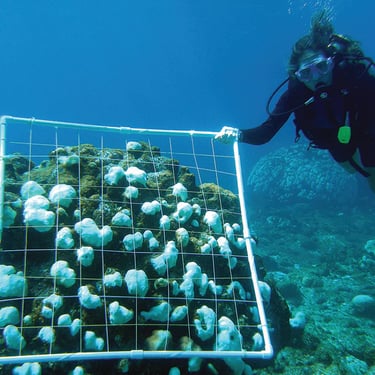
Climate change is reshaping the marine environment. Ocean warming, acidification, changing currents, coastal erosion, and the loss of critical habitats such as mangroves, coral reefs, wetlands, and seagrass beds are placing both people and nature at risk. These pressures affect food security, livelihoods, public health, marine biodiversity, and the long-term stability of coastal regions.
The Marine Conservation Alliance, a WeCare Foundation initiative, recognises that ocean protection is not only an environmental issue. It is also a human, economic, and social responsibility. Healthy oceans support communities, regulate the climate, protect coastlines, and sustain life across the planet.
We want to ensure that marine ecosystems can support current and future generations.
Nature-Based Solutions
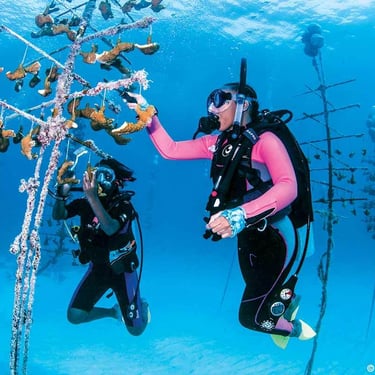
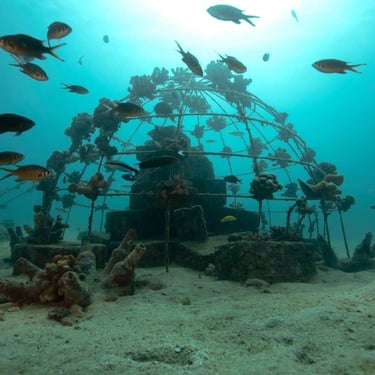
The Marine Conservation Alliance supports approaches that use the natural strength of ecosystems to protect coastlines, restore biodiversity, and improve climate resilience. Nature-based solutions can help reduce environmental risks while supporting the communities that depend on healthy marine and coastal environments.
Our areas of focus include:
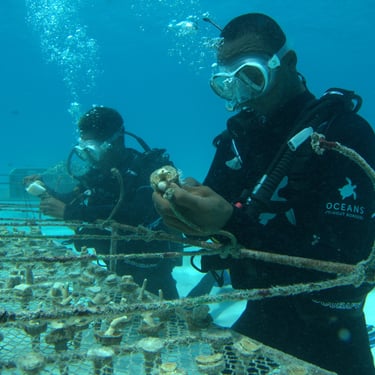
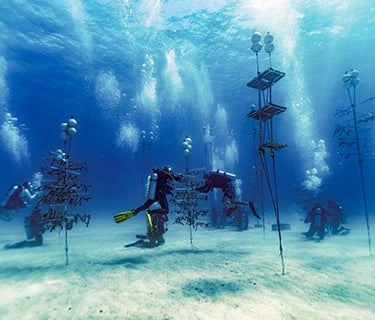
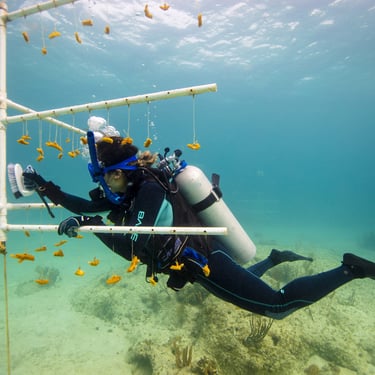
restoring and protecting mangroves, wetlands, reefs, and coastal habitats;
supporting blue carbon and coastal ecosystem protection;
promoting responsible marine and coastal land-use practices;
encouraging community-led conservation and local stewardship;
supporting awareness around ocean health, biodiversity, and climate resilience.
Nature-based solutions can contribute to coastal protection, carbon storage, habitat restoration, erosion control, water quality improvement, and biodiversity recovery. When carefully planned and locally supported, they can also strengthen livelihoods and reduce the vulnerability of coastal communities.
Ocean Pollution Prevention
Marine pollution remains one of the most visible and urgent threats to ocean health. Plastic waste, unmanaged coastal waste, chemical pollution, abandoned fishing gear, and other forms of marine debris continue to harm marine species, damage habitats, and weaken ecosystems.
The Marine Conservation Alliance promotes practical action to reduce pollution before it reaches the ocean. This includes awareness, prevention, responsible waste practices, education, and collaboration with local partners where appropriate. Our approach is focused on reducing harm, encouraging behavioural change, and supporting cleaner, safer marine environments.
Climate and Coastal Resilience
Coastal communities are increasingly exposed to flooding, erosion, storms, and the degradation of natural protective systems. The loss of mangroves, reefs, dunes, and wetlands can leave communities more vulnerable to climate-related hazards.
The Marine Conservation Alliance supports efforts that strengthen resilience in coastal areas through prevention, preparedness, ecosystem protection, and community awareness. By connecting environmental protection with local needs, the initiative seeks to support practical approaches that help communities adapt to a changing climate.
We focus on the well-being of vulnerable marine ecosystems and the communities most affected by ocean degradation.
Many communities depend directly on the ocean for food, income, transport, culture, and security. When marine ecosystems decline, the effects are felt most strongly by those with the fewest resources to adapt. Coastal erosion, declining fish stocks, pollution, and extreme weather can place additional pressure on families, workers, and local economies.
The Marine Conservation Alliance seeks to support communities by promoting awareness, encouraging responsible stewardship, and working with partners to address the environmental risks that affect both people and marine life. This includes attention to vulnerable habitats, threatened species, and communities facing climate-related pressures.
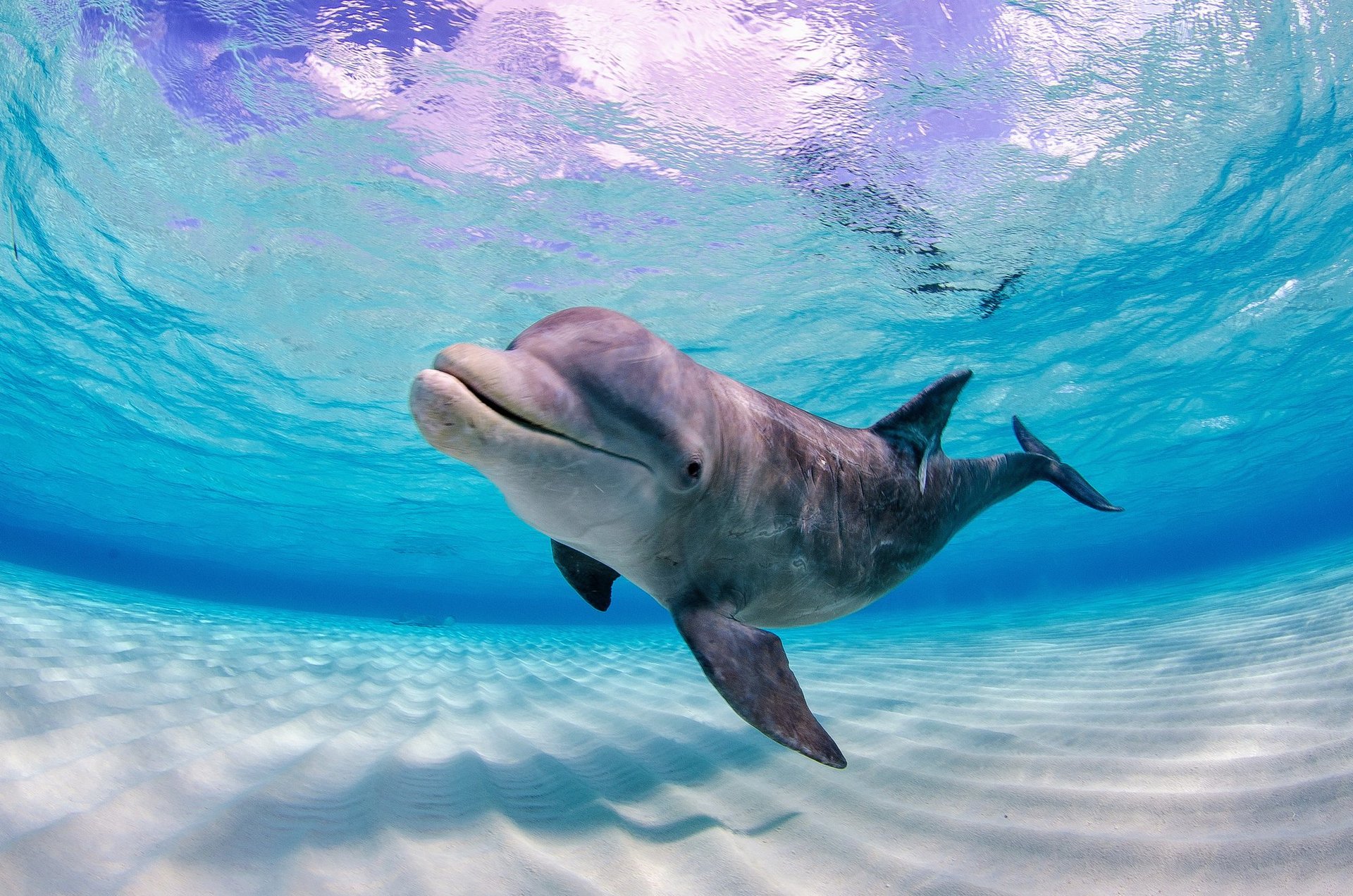
The initiative also recognises the importance of marine biodiversity. Whales, turtles, fish, seabirds, coral reefs, mangroves, and other species and habitats are part of a connected ocean system. Protecting them is essential for healthy oceans and for the long-term resilience of coastal communities.
Providing Leadership
We aim to support responsible leadership on one of the defining environmental challenges of our time.
Ocean protection requires cooperation across communities, institutions, civil society, researchers, policymakers, and responsible private actors. No single organisation can address the scale of marine degradation alone. The Marine Conservation Alliance therefore places strong emphasis on partnership, dialogue, education, and coordinated action.
Our leadership approach is based on:
raising awareness of marine and coastal challenges;
supporting practical conservation priorities;
encouraging responsible environmental behaviour;
building partnerships with aligned organisations and experts;
promoting long-term thinking around ocean protection and climate resilience.
The Marine Conservation Alliance seeks to contribute to a wider global movement for healthier oceans, stronger coastal communities, and more responsible stewardship of the natural world.
Embodying our vision
The Marine Conservation Alliance believes that environmental responsibility must be reflected in both words and action.
As a WeCare Foundation initiative, the Alliance is guided by principles of public benefit, transparency, cooperation, and long-term responsibility. Its work is designed to support marine conservation, coastal resilience, environmental education, and practical action that can contribute to healthier ecosystems and stronger communities.
The initiative seeks to embody its vision by promoting responsible practices, supporting credible partnerships, and encouraging awareness of the connection between ocean health and human well-being. This includes a commitment to thoughtful communication, evidence-informed action, and respectful collaboration with communities and partners.
The Marine Conservation Alliance is politically neutral and non-denominational. Its focus is on protecting marine ecosystems, supporting vulnerable communities, and helping build a more sustainable future for the ocean and the people who depend on it.
Why We Fight
Threats to the health of our ocean ecosystems
Our oceans and its inhabitants are dying from overfishing and habitat destruction. Poachers plunder marine life sanctuaries with impunity, and illegal, unreported and unregulated (IUU) fishing goes unchecked in the high seas far from public scrutiny.
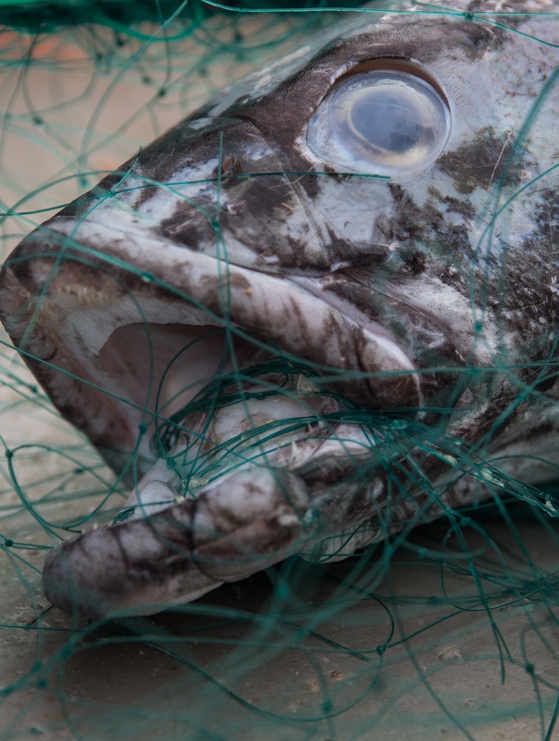
Direct action to enforce laws protecting our oceans
International and national laws protecting the world’s oceans are difficult to enforce. We use direct action to defend marine life on the high seas, and works with national authorities to tackle illegal fishing in sovereign waters.
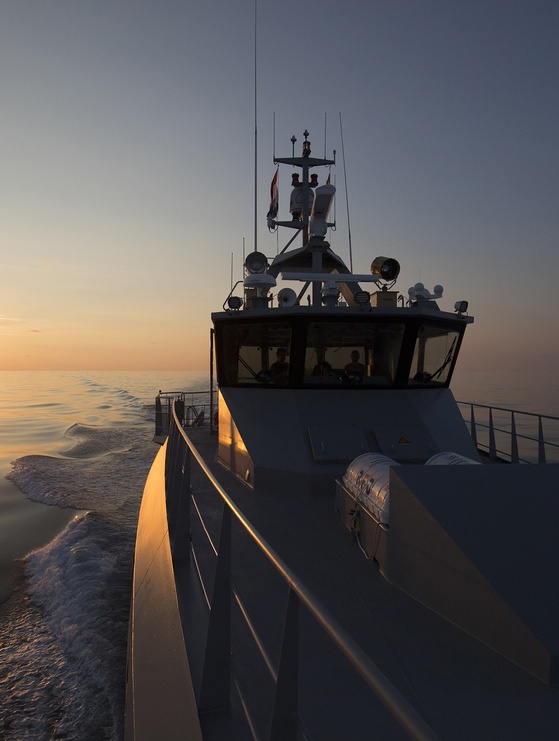
Seascapes
We protect the places that matter most across the globe through our work in the US Arctic, Eastern Pacific, Southwest Indian Ocean, and Southwest Pacific and Indonesia. We tailor solutions across nature-based solutions, community-based conservation, and other interventions like finance, policy, and private sector engagement to meet the unique needs of the seascapes where we work.
The Marine Conservation Alliance recognises that every seascape faces different pressures, from pollution and habitat loss to climate-related risks and unsustainable resource use. We therefore support flexible, practical, and partnership-based solutions that help protect ocean spaces and the communities connected to them.
Blue foods
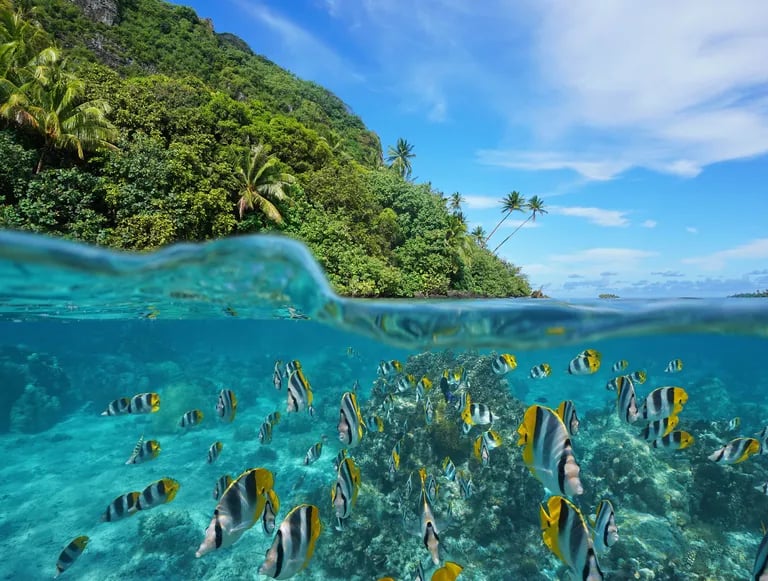
We make blue food systems more resilient. Our work in fisheries and aquaculture advances livelihoods, food security, and marine ecosystem health. Our work with seafood markets engages global seafood buyers and their supply chains in responsible, sustainable sourcing. Our peace and security work promotes collaborative management, inclusive solutions, and durable conservation to protect nature.
Our work promotes responsible practices, awareness, and collaboration across communities, partners, and stakeholders involved in marine resources. The aim is to help protect marine ecosystems while supporting livelihoods that depend on healthy and productive oceans.
Ocean Markets and Finance
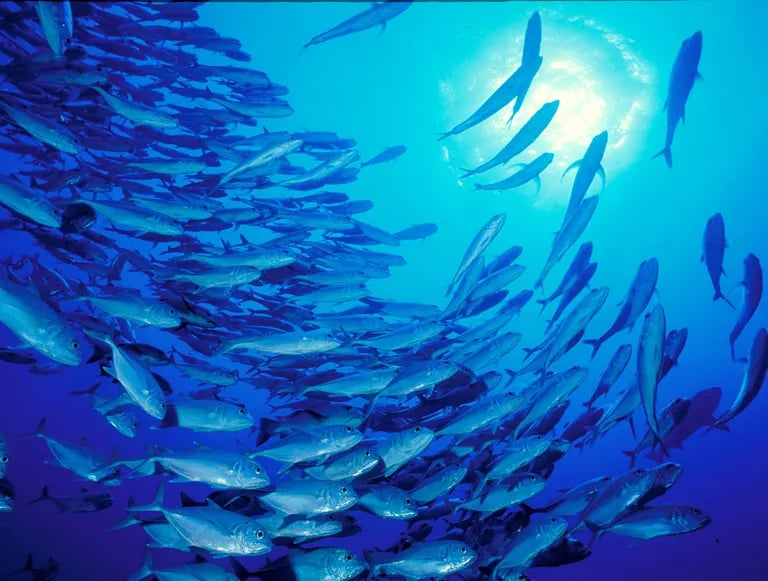
We believe that long-term ocean protection requires responsible engagement across markets, finance, and the private sector. Marine conservation cannot be achieved through environmental action alone; it also requires better incentives, stronger partnerships, and more sustainable economic choices.
The Marine Conservation Alliance supports dialogue and collaboration around a nature-positive ocean economy, including responsible seafood, coastal tourism, shipping, marine innovation, and conservation finance. Our approach encourages capital, business activity, and institutional support to move toward solutions that protect marine ecosystems and strengthen coastal resilience.
Blue Coast Resilience Project
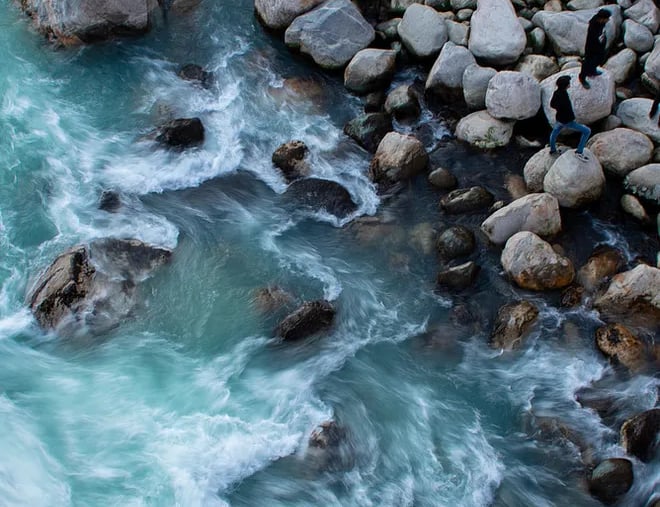
A coastal protection initiative focused on strengthening vulnerable seaside communities through awareness, local partnerships, and nature-based conservation. The project supports efforts around mangrove protection, shoreline resilience, coastal clean-up awareness, and climate adaptation in areas exposed to rising sea levels and environmental degradation.
Ocean Waste Prevention Programme
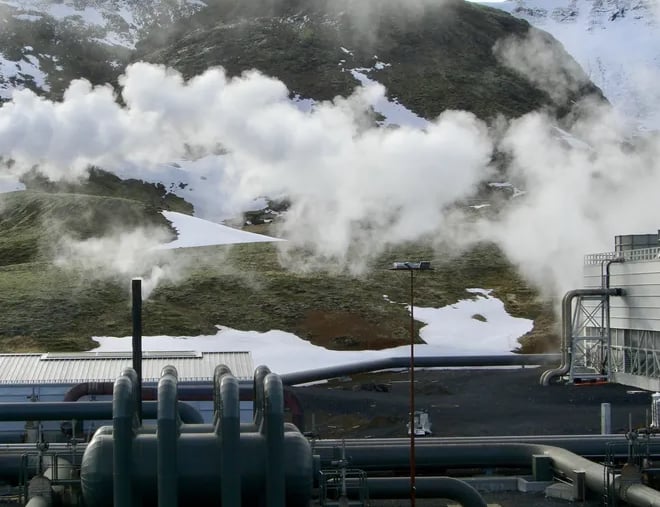
A marine pollution prevention project aimed at reducing the flow of plastic waste and unmanaged debris into oceans and coastal waters. The programme focuses on public education, community engagement, responsible waste practices, and partnerships with local organisations to promote cleaner beaches, safer marine habitats, and healthier ocean ecosystems.
Marine Life Protection Initiative
A biodiversity-focused project dedicated to raising awareness and supporting action for the protection of whales, turtles, coral reefs, seabirds, and other vulnerable marine species. The initiative promotes education, advocacy, and cooperation with conservation partners to reduce threats such as habitat loss, pollution, fishing gear entanglement, vessel collisions, and climate-related ecosystem decline.


Featured projects
News & Reports
Get all of our latest global news, blogs and analysis, updated daily.
Join our community!
Subscribe to our newsletter
Enjoy exclusive reports available only to our subscribers.
© 2020 - 2026 WeCare Foundation. All rights reserved.