
Caught in Conflict: Civilian Protection and the Human Cost of War
12/1/2025
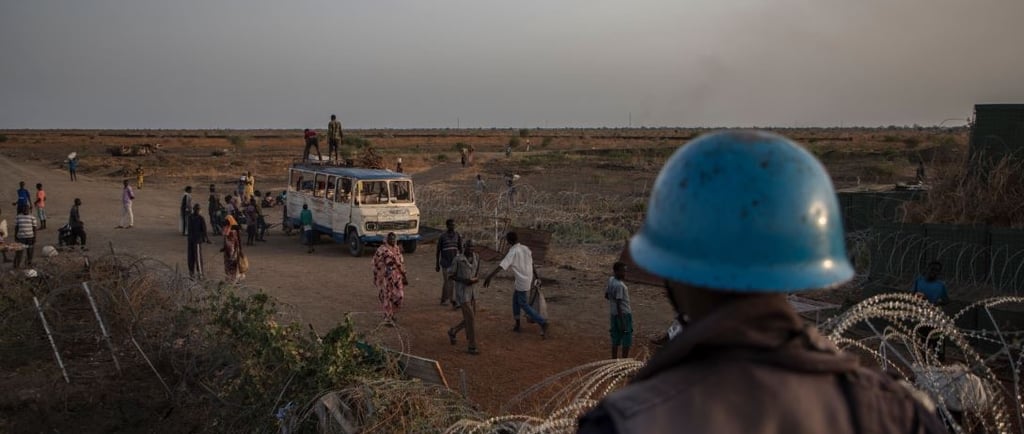
The protection of civilians in armed conflict is among the most urgent and foundational concerns of international human rights law. The HRA engages with conflict situations where civilian populations are being harmed, displaced, or denied humanitarian access, and where the international community's response has been inadequate or absent. The Association's work in this area is grounded in international humanitarian law, the UN Charter, and the Responsibility to Protect framework, and proceeds through public advocacy, media engagement, and formal communications to UN Special Rapporteurs and treaty bodies.
What the HRA Addresses
Arbitrary detention and enforced disappearance of civilians in conflict zones, including cases where
state or non-state armed actors detain individuals without legal process or public acknowledgement.
Denial of humanitarian access to civilian populations, including the blocking of food, medical supplies,
and protection to besieged or isolated communities.
Extrajudicial killings, summary executions, and the targeting of civilian infrastructure by parties to
armed conflict.
The use of collective punishment, including displacement, destruction of property, and economic
strangulation of civilian populations as instruments of conflict.
The exploitation of conflict conditions by criminal networks, including trafficking, forced labour, and
ransom detention of civilians caught in conflict zones.
The plight of conflict-affected diaspora communities and the rights of refugees and displaced persons under international protection law.
How the HRA Engages
The HRA's approach to conflict and civilian protection combines case-specific advocacy with
structural analysis. Where a named individual or identifiable group of civilians is being subjected to
arbitrary detention, extrajudicial harm, or denial of access, the Association issues a formal press
release calling on the responsible party to act, accompanied by a pitch to relevant media outlets in
the affected country and internationally. Where the situation reflects broader systemic failures, the
HRA supplements individual case advocacy with formal communications to UN mechanisms,
including Special Rapporteurs on Extrajudicial Killings, Torture, and the Human Rights of Internally Displaced Persons.
The HRA's current and recent engagement in the conflict and civilian protection mandate includes
the following active campaigns:
Gambian Nationals in Libya
The HRA published a formal press release and a six-page research report documenting the arbitrary
detention, torture, forced labour, and coerced deportation of Gambian nationals within Libya's
detention system. The report drew on UN Human Rights Office testimony, Amnesty International
documentation, and IOM repatriation data, and was pitched to four Gambian media outlets.
Eswatini — Third Country Deportees
The HRA has identified the arbitrary detention of third-country nationals deported to Eswatini under
a US government agreement as an active area of concern, with engagement planned through
Eswatini's domestic media and African Commission channels.
Conflict and civilian protection campaigns are pitched to international wire services (Reuters, AP),
regional outlets in affected countries, and specialist human rights media including The Guardian's
global affairs desk. UN Special Rapporteur communications are filed directly through the OHCHR
online portal and tracked for response. The HRA also engages FIBA, sporting federations, and
diaspora community organisations where individuals in conflict-affected situations have professional
or community ties that create additional advocacy leverage.