
Humane Societies: Animal Protection, Pet Welfare, and Public Responsibility
12/9/2025
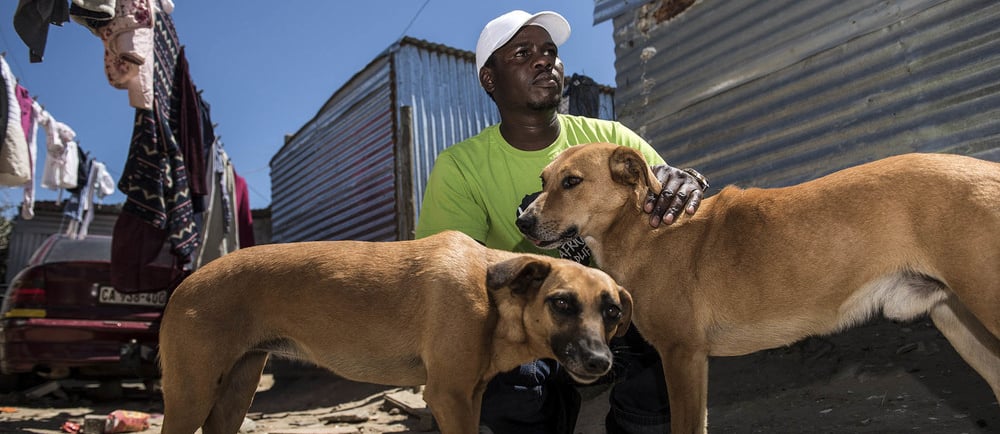
The welfare of animals sits at the frontier of the expanding human rights framework. While international human rights law has historically concerned itself exclusively with the rights of persons, the relationship between human societies and the animal world raises questions that are moral, legal, and increasingly political. The HRA's animal welfare mandate is pursued both through the Human Rights Association and through the Pet Humanitarian Rights Alliance, a dedicated initiative that focuses specifically on the welfare of companion animals in conflict zones, humanitarian crises, and situations of systemic neglect.
What the HRA Addresses
The welfare of animals in situations of armed conflict, including the abandonment, injury, and killing
of animals during military operations and displacement events, and the legal frameworks governing
the treatment of animals in conflict.
Industrial animal agriculture and its welfare, environmental, and human health dimensions, including
factory farming practices that cause sustained suffering to large numbers of animals and that
contribute to antibiotic resistance, zoonotic disease emergence, and environmental degradation.
Wildlife trafficking and the illegal trade in endangered species, including the connection between
wildlife crime and organised criminal networks that also engage in human trafficking and other
serious offences.
The use of animals in research and testing without adequate welfare protections, and the advocacy
for the three Rs framework — replacement, reduction, and refinement — in scientific and regulatory
contexts.
Cultural and religious practices involving animals where significant welfare concerns arise,
approached with sensitivity to cultural rights while maintaining a principled position on the
prevention of unnecessary suffering.
The Pet Humanitarian Rights Alliance is a dedicated initiative operating under the WeCare
Foundation's broader mandate, with a specific focus on the welfare and protection of companion
animals — pets — in situations of humanitarian crisis, armed conflict, natural disaster, and systemic
institutional neglect. The Alliance recognises that pets are not merely property. They are members
of family units, emotional support systems, and beings whose welfare is directly connected to the
wellbeing of their human companions.
Companion Animals in Conflict Zones
The Alliance advocates for the inclusion of companion animal welfare in humanitarian response
planning, calling on governments, militaries, and humanitarian organisations to develop protocols
for the evacuation, sheltering, and care of pets alongside their human families in conflict and
disaster situations. Evidence consistently shows that people delay or refuse to evacuate when they
cannot take their animals, increasing human casualties.
Disaster Response and Emergency Sheltering
The Alliance calls on emergency management authorities to develop and implement pet-inclusive
disaster response frameworks, including co-location sheltering arrangements that allow displaced
persons to remain with their companion animals, and the provision of veterinary care as part of
humanitarian response operations.
Systemic Neglect and Institutional Accountability
The Alliance addresses cases of systemic neglect of companion animals by institutional actors,
including animal shelters, local authorities, and housing providers whose policies separate people
from their pets or fail to provide adequate care to animals in their charge.
Media and Advocacy Approach
The Pet Humanitarian Rights Alliance engages with animal welfare media, humanitarian sector
publications, and general news outlets to advance the case for pet-inclusive humanitarian policy. It
works alongside and in support of established animal welfare organisations, amplifying their
advocacy through a human rights framing that connects pet welfare to human dignity, family
integrity, and the right to an adequate standard of living.