
The Right to a Safe Environment: Justice, Protection, and Accountability
12/5/2025
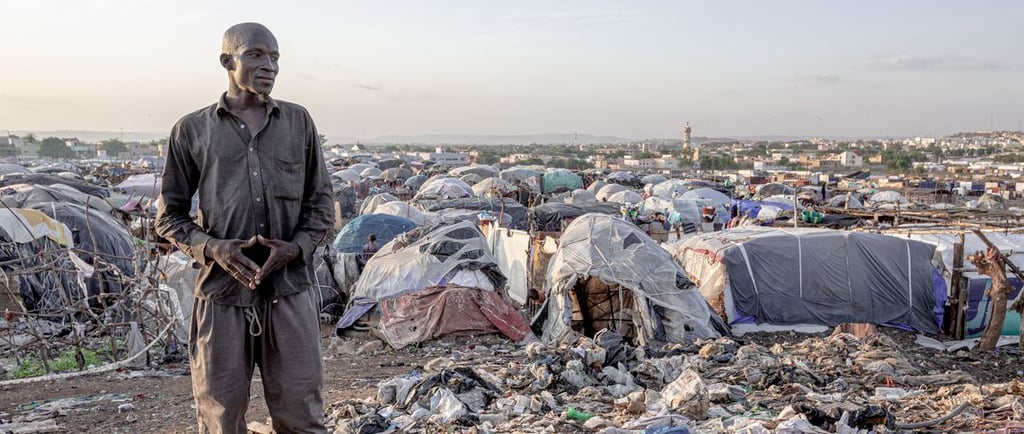
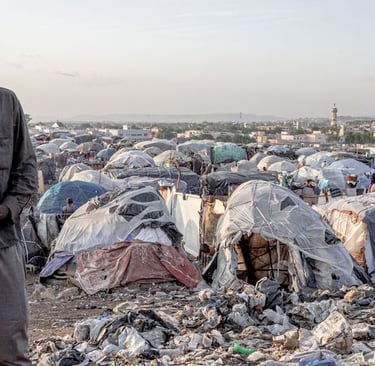
Environmental justice is the recognition that environmental degradation is not a neutral phenomenon. It falls disproportionately on the poorest, the most marginalised, and the least able to relocate or adapt. Indigenous communities, small island states, subsistence farmers, and informal urban settlements bear the heaviest costs of pollution, resource extraction, and climate disruption while contributing the least to those harms. The HRA's environmental justice mandate addresses the human rights dimensions of environmental harm and calls on states and corporations to meet their obligations under international law.
What the HRA Addresses
The right to a clean, healthy, and sustainable environment as a formally recognised human right
under UN Human Rights Council Resolution 48/13 of October 2021, and states' obligations to protect
that right against corporate and state interference.
Environmental displacement, including communities forced to relocate due to resource extraction,
industrial pollution, sea-level rise, or infrastructure development without free, prior, and informed
consent.
Corporate accountability for environmental harm, including the obligations of multinational
corporations under the UN Guiding Principles on Business and Human Rights to conduct human
rights and environmental due diligence.
The criminalisation of environmental defenders, including activists, journalists, and community
leaders who face violence, prosecution, and harassment for opposing extractive industries or
documenting environmental harm.
Climate justice and the disproportionate impact of climate change on developing countries, small
island states, and communities with high dependence on natural resources, including Fiji and Pacific
island nations.
Access to justice for communities harmed by environmental damage, including reparation,
remediation, and the holding to account of responsible actors.
Environmental justice is an emerging and rapidly developing area of the HRA's mandate. The
Association's strategic positioning in this space focuses on three primary areas of engagement:
Corporate Accountability in the Global South
The HRA is positioned to engage with cases where multinational corporations operating in Africa,
South Asia, and the Gulf region are causing environmental harm to local communities without
adequate due diligence, remedy, or accountability. This includes mining operations, agribusiness,
and infrastructure development projects that have displaced communities or degraded water and
land resources.
Climate Justice for Small Island States
Given the HRA's existing engagement with Fiji and the Pacific region, the Association is well
positioned to advocate on the climate justice dimensions of sea-level rise and extreme weather
events affecting Pacific communities. The right to exist as a nation, the right to a homeland, and the
rights of climate refugees are all within the HRA's environmental justice mandate.
Defender Protection
The HRA will issue statements in support of environmental defenders who face prosecution,
violence, or harassment for their advocacy, treating such cases as both a justice and accountability
issue and an environmental justice issue.