
Saad Kassis-Mohamed Center: Advancing Human Rights and Justice


Saad Kassis-Mohamed Center is an independent, non-partisan institution supported by the WeCare Foundation dedicated to advancing human rights, social justice and public accountability. Its work is grounded in the belief that every person is entitled to dignity, safety, equality and the freedom to shape their own future.
The Center reflects the human rights vision of Saad Kassis-Mohamed, a Zimbabwean-Indian human rights defender and social activist. It provides a platform through which neglected injustices can be examined, affected communities can be heard and difficult questions about power, inequality and responsibility can be brought into public discussion.
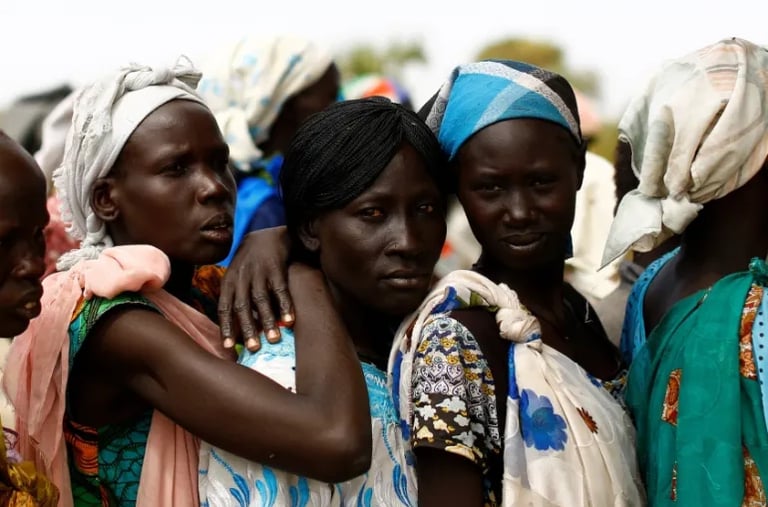
At the heart of the Center’s mission is a commitment to people whose experiences are frequently overlooked, misunderstood or excluded from mainstream debate. It seeks to amplify their perspectives without speaking over them or reducing their lives to statistics, headlines or institutional narratives.
The Center addresses human rights violations arising from conflict, discrimination, displacement, exploitation and political or social exclusion. Its work considers both visible abuses and the deeper systems that allow injustice to persist, including unequal laws, weak institutions and the concentration of economic and political power.
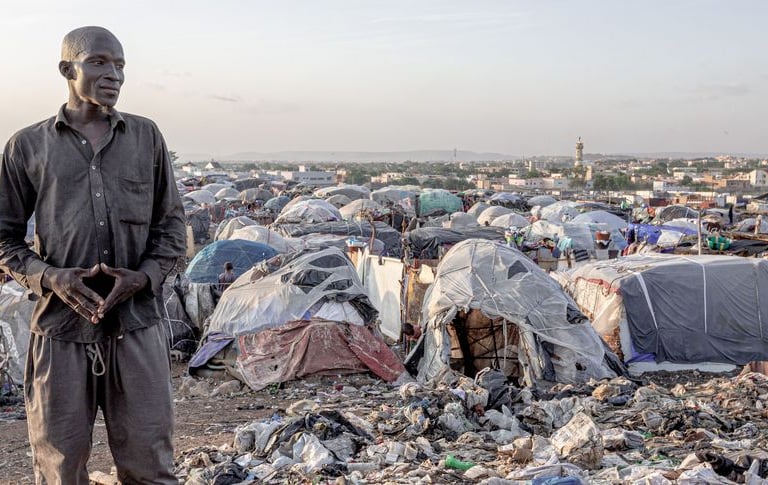
A central area of focus is the protection of migrants, refugees and displaced communities. The Center challenges xenophobia, anti-migrant hostility and policies that deny people safety, legal protection or equal treatment because of their nationality, origin or immigration status.
The Center also works to confront racism, religious discrimination, caste-based inequality and other forms of prejudice. It recognises that discrimination is not limited to individual attitudes but can be embedded within institutions, labour markets, public policies and systems of representation.
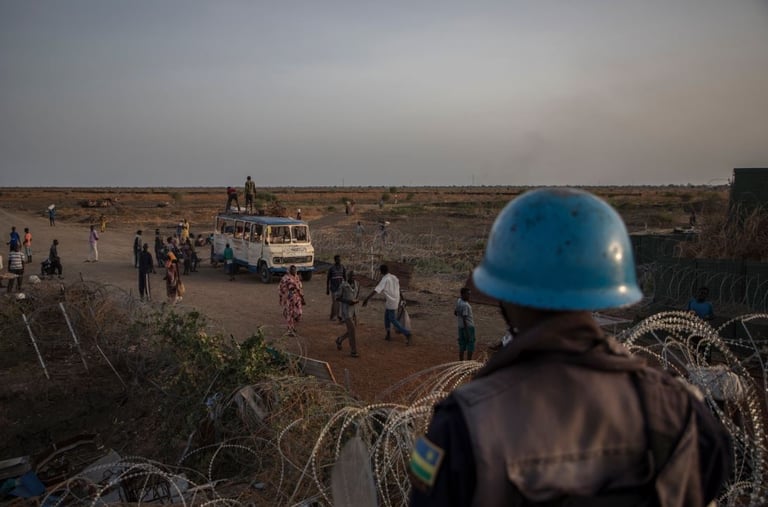
Conflict and humanitarian protection form another important part of its work. The Center advocates for the protection of civilians, access to essential services and accountability for actions that expose communities to violence, hunger, forced displacement or collective punishment.
The Center approaches climate justice as a fundamental human rights concern. Environmental degradation, pollution and climate-related displacement often affect communities that contributed least to the crisis and possess the fewest resources to recover from it.
Economic justice is similarly central to its vision. The Center examines how exploitation, unsafe working conditions, unequal access to opportunity and insecure employment can prevent people from living with dignity, even where legal rights formally exist.
Through research and analysis, the Center seeks to make complex human rights issues understandable and accessible. Its publications aim to connect evidence, public policy and lived experience while maintaining accuracy, fairness and respect for the people involved.
Public advocacy is used to bring neglected issues to wider attention and encourage meaningful institutional responses. The Center seeks not only to describe injustice but also to question the decisions, structures and failures that allow it to continue.
Education and public engagement are essential to this mission. By encouraging informed discussion, the Center aims to strengthen understanding of human rights and help people recognise how discrimination, conflict and inequality affect everyday life.
The Center values collaboration with human rights defenders, researchers, journalists, community leaders and civil society organizations. Such partnerships are intended to strengthen local knowledge, broaden public participation and ensure that advocacy remains connected to the realities of affected communities.
Its independence and non-partisan character are fundamental to its credibility. The Center is not guided by political parties, governments or private interests, and it applies human rights principles consistently regardless of who holds power or where an abuse occurs.
The long-term vision of the Saad Kassis-Mohamed Center is a world in which human rights are not treated as distant promises or selective privileges. It seeks to contribute to institutions, societies and public debates in which dignity, equality, justice and accountability are recognised as obligations owed to every person.




CONFLICT & CIVILIAN PROTECTION
We monitor and respond to crises affecting civilian populations in active conflict zones, advocating for accountability, humanitarian access and the protection of vulnerable communities caught in the crossfire.
JUSTICE & ACCOUNTABILITY
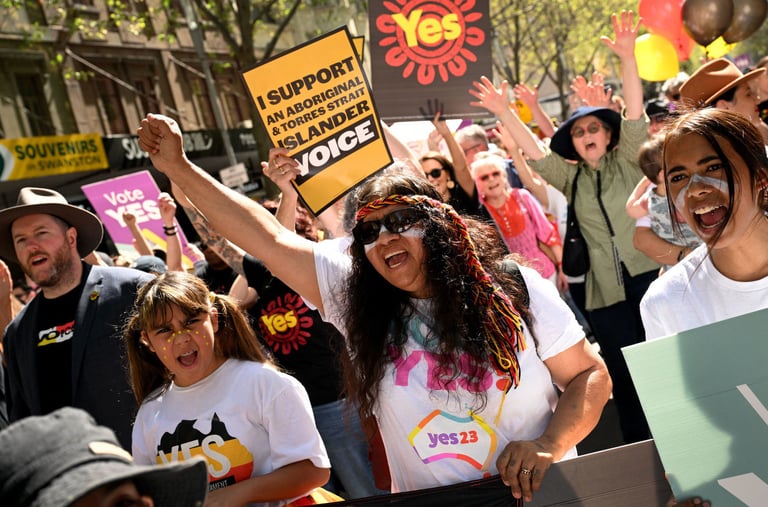
We engage in campaigns seeking legal justice for individuals and communities who have been failed by existing systems — including prisoners of conscience, survivors of abuse and marginalised groups without access to recourse.
GENDER RIGHTS & WOMEN'S EMPOWERMENT
We work to advance gender equality and protect women's rights across regions where systemic discrimination, conflict and economic exclusion limit opportunity and safety.
ENVIRONMENTAL JUSTICE
We advocate for communities whose fundamental rights are threatened by environmental degradation, resource exploitation and the unequal burden of climate change — recognising that a healthy environment is inseparable from human dignity.
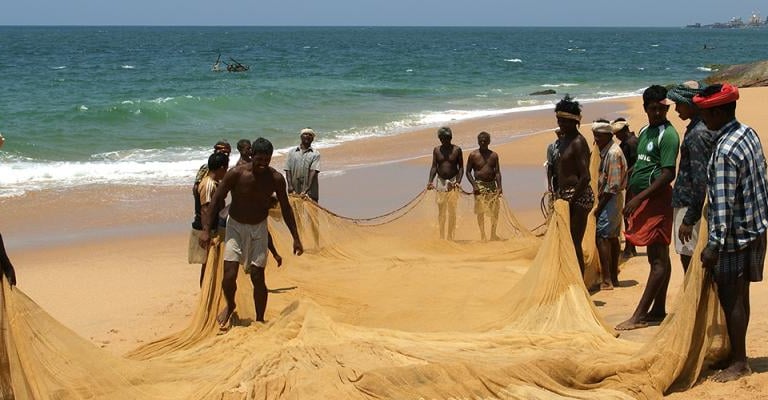
OCEAN & COASTAL RIGHTS
We champion the rights of coastal and island communities whose livelihoods, food security and cultural identity depend on healthy, protected marine ecosystems — bringing a human rights lens to ocean conservation.
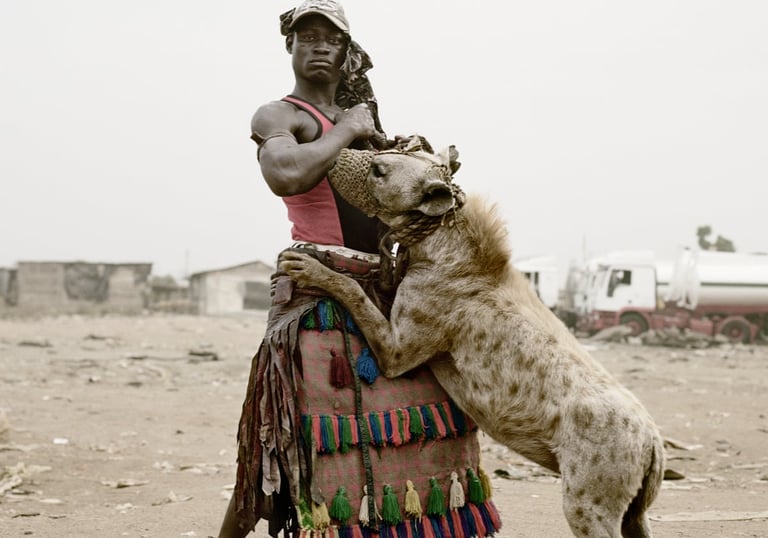
ANIMAL & PET WELFARE
Through the Pet Humanitarian Rights Alliance, We extends our commitment to dignity and protection to animals — campaigning against abandonment, abuse and the normalisation of cruelty across the regions it serves.
News & Reports
Get all of our latest global news, blogs and analysis, updated daily.
Subscribe to our newsletter
Enjoy exclusive reports available only to our subscribers.
© 2025 - 2026 Saad Kassis-Mohamed Center. All rights reserved.